
Best waste management practices at home
With the ever-increasing population and the amount of waste generated within our country, it is inevitable for us to overlook the need for effective waste management methods. As an organization, the aspect of proper and effective waste management is our soul responsibility that we shouldn't overlook. Improper waste disposal is a leading contributor to environmental pollution. The environment has suffered evils like soil and underground water pollution, which has threatened both biodiversity and human life. On this note, you should be aware of the best waste management practices you must follow at your home;
Reduce and Re-use Waste:
The best way to reduce waste is to stop producing waste. Waste prevention reduces the generation of waste, which makes it the best-preferred method of waste management. Think green before you shop by using reusable bags instead of polythene and plastics. You can reduce waste by purchasing durable long-lasting goods, seeking products and packaging that are toxic free. Reuse or re-purpose items such as old clothing, cloth grocery bags, and containers to prevent generation of too much waste.
Segregation of Waste:
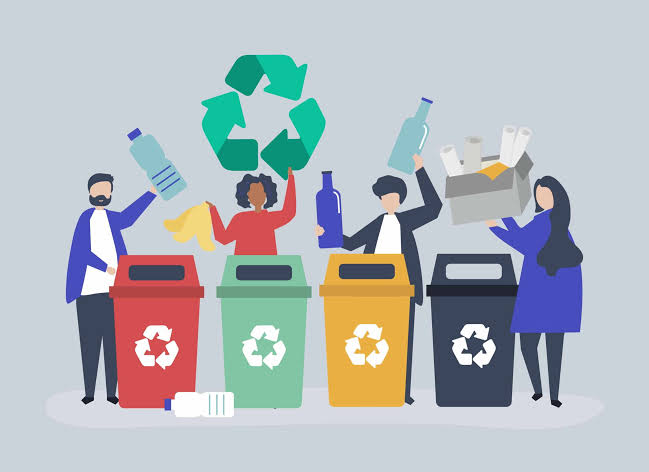
It is your responsibility to segregate your waste according to type into different bins. Wet and dry waste needs to be separated in different bins. Waste segregation would help in the easier disposal and recycling of waste materials in general. Home wet waste mostly comes from the kitchen and would include items like food waste; plants waste materials, which are decomposable. Dry waste generated at home are all non-decomposable waste materials such as plastic, paper, glass, metal, clothes.
During waste segregation, follow the following tips;
- Keep separate colored bins for dry waste and wet waste.
- Use
 garbage bags or
covers to avoid spilling and leakage in the bins.
- Wash off food items from plastic food containers & wrappers before disposing.
- Never store wet waste for more than one day.
- Discard sanitary waste neatly wrapped in paper.
- Keep broken glass materials and other sharp objects separately in a transparent polythene cover.
- Encourage your neighbors, garbage collectors and house cleaners to follow these practices to keep your surroundings clean.
Recycling of waste:
Recycling begins with waste separation. It is important to remember not to mix-up recyclable materials with non-recyclable materials. Some of the materials that can be recycled at home include;
Paper (newspapers, magazines, telephone books, office paper, junk mail, comics and light cardboard) Drinks cartons (for milk, juice etc.) Aluminum (soft drink and beer cans, foil) Plastic bottles and cartons. Collect all these items and take them or sell them to your local recycling or collection center.
Taking Special Care of Hazardous Waste:
Many individuals are not aware that among the wastes produced at home may include hazardous wastes, and they require special care if we are to dispose them. Some of these materials may include; Motor oil, Batteries (for example car, mobile phone or regular household batteries), Cleaning and polishing chemicals, Pesticides and other garden chemicals, swimming pool or spa bath chemicals, compressed gas tanks (such as propane and oxygen), bulbs and tires. One of the best ways to get rid of that all the hazardous waste is to simply drop it at the hazardous waste disposal sites or sold/ given to persons dealing in them. Hazardous waste should never be mixed with or thrown together with general waste.
Composting:
Composting is the process of turning organic wastes like plants, garden and kitchen waste into manure for plants. Compost manure is an alternative, cheap and affordable source of fertilizers for families relying on agriculture. It reduces on the effects of improper waste disposal of organic wastes within our communities. It's these wastes that have resulted into sanitary related problems like infections and diarrhea diseases.  These compost pile leads to the formation of compost which are quite helpful for the soil, basically, it makes it more fertile.
Convert Waste to produce Energy:
Some waste produced at home can be converted into a source of energy instead, basically burying it into the ground. Wastes like animal fecal materials, anaerobic digestion plants do a well here. Here we consider anything that rots down and turns it into biogas for lighting and cooking at home. Some countries in Europe, like Sweden, have taken the production and use of biogas to a level of import waste from other countries for energy production. In poor communities of Uganda, food peelings are burnt and mixed with soil to make charcoal balls that they use as fuel in cooking instead of dumping them in the environment.
At African Soul Initiative, we have set up standards in regard to waste management which serve as our community best practices for waste management that we abide to. You can also choose to abide by them to help conserve your environment. Together, let us reduce, reuse and recycle waste to make our planet a better place to live in.
Help make a difference in your community today, by taking responsible actions on waste disposal,
‘We are how we manage our waste'
