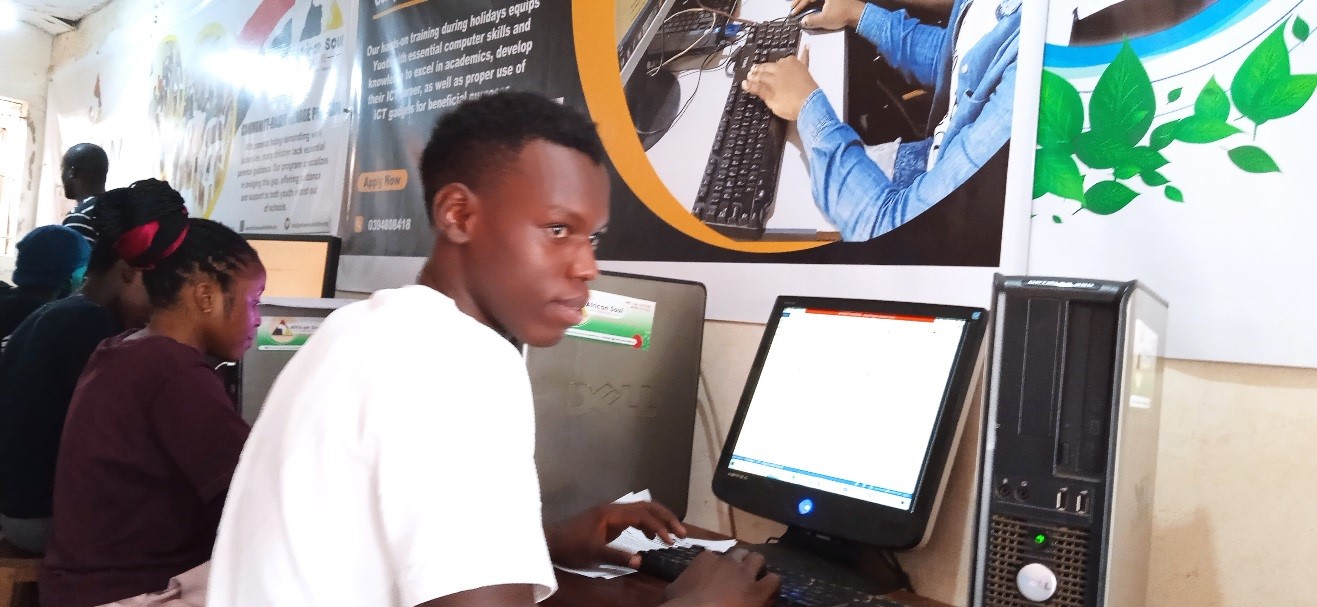
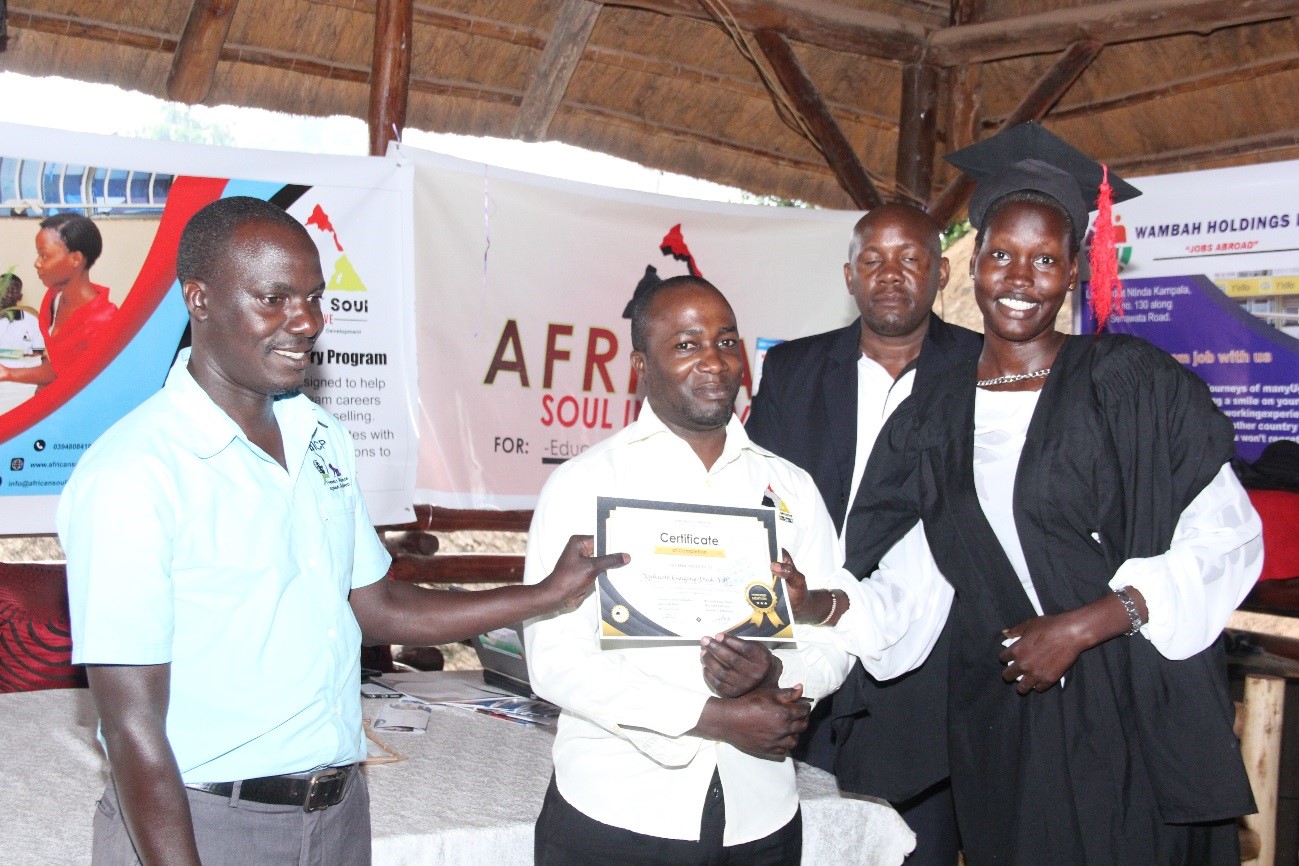
pic 01
pic 01

African Soul Initiative (ASI) recognizes the importance of digital literacy in today's world and aims to bridge the digital divide by empowering young individuals with essential computer skills. Over the past three months, ASI has implemented a comprehensive Computer Training Program in Nansana Municipality, Wakiso District, Uganda. This report provides an overview of the program's activities, challenge, outcomes and impact of the program during the specified period.
The primary goal of the Computer Training Program was to equip youth in Nansana Municipality with fundamental computer skills and knowledge, thereby enhancing their digital literacy and preparing them for the increasingly technology-driven world. Additionally, the program aimed to bridge the digital divide by providing access to computer education, particularly for individuals who may not have had previous exposure to such training.
Develop a tailored curriculum covering basic computer literacy, internet usage, Microsoft Office applications, and computer maintenance.


The program targeted individuals of all ages and backgrounds, including students on holiday, young adults seeking employment opportunities, and community members interested in enhancing their computer literacy. Participants ranged from beginners with little to no computer experience to those seeking to improve existing skills.
1. Curriculum Development: ASI developed a comprehensive curriculum covering essential computer skills, including basic computer operations, file management, internet navigation, and productivity software usage (e.g., word processing, spreadsheets).
2. Training Sessions: The program consisted of interactive training sessions conducted by experienced instructors. Participants received hands-on instruction, engaging in practical exercises and activities to reinforce learning.

3. Computer Lab Access: ASI provided access to computer labs equipped with desktop computers or laptops for participants to practice and apply their newly acquired skills outside of training sessions.
The Computer Training Program was funded through a combination of donations from local businesses such as Faizhad Stationers, Bootim Technologies, and contributions from ASI's operational budget.
By equipping youth with essential computer skills, the program lays the foundation for long-term socioeconomic development in Nansana Municipality. Participants are better positioned to secure employment opportunities, pursue further education and training, and actively contribute to the digital transformation of their community.
The Computer Training Program conducted by African Soul Initiative during the long school holiday at the end of the year has been instrumental in enhancing digital literacy, increasing employment opportunities, and bridging the digital divide within the community. Through interactive training sessions, access to computer labs, and ongoing support, participants were empowered with essential computer skills and knowledge, enabling them to navigate the digital world with confidence. Moving forward, ASI remains committed to promoting digital inclusion and empowering community members through similar initiatives.
Wire Transfer
Write a cheque

Flexipay
To make a donation via bank wire transfer, use the information below.
Indicate in the notes field the Project, Program or Campaign ID: [] you're donating for.
To the Account of: African Soul Initiative
Kampala, Uganda
Phone: 256394808418 / 256394808418
E-mail: info@asiug.org
Bank Name: Stanbic Bank (U) Limited
Account Number: 9030020285221
SWIFT Code: SBICUGKX
1. Mail your Cheque to:
African Soul Initiative
Kampala, Uganda
2. Make checks payable to: African Soul Initiative
3. On the memo line, please write Project/Program/Campaign ID: [] or the name of the project you want to support. If you would like to get email updates on the projects, please also write your email address.
We accept any cheque in Uganda Shillings.
Not living in Uganda? Don't worry. African Soul Initiative also accepts checks in any currency for donations equivalent to $200 USD or greater.
For currency conversion rates, see conversion rates.
On your phone, Dial *291# & enter merchant code 241356 This code should return the name African Soul Initiative and confirm with your pincode to send your donation.