
Securing Clean Water for All Ugandans in the Fight against Water Scarcity
At African Soul Initiative, we believe that water is more than just a resource—it is the essence of life and dignity. Yet, for many communities in Uganda, access to clean and safe water remains a daily struggle. On this World Water Day, we reflect on the critical importance of water security and the ongoing efforts to ensure that every Ugandan has access to this vital resource. As climate change, population growth, and pollution threaten water availability, urgent action is needed to safeguard our future. Through collective responsibility, awareness, and sustainable solutions, we can make clean water accessible for all.
The State of Water Access in Uganda
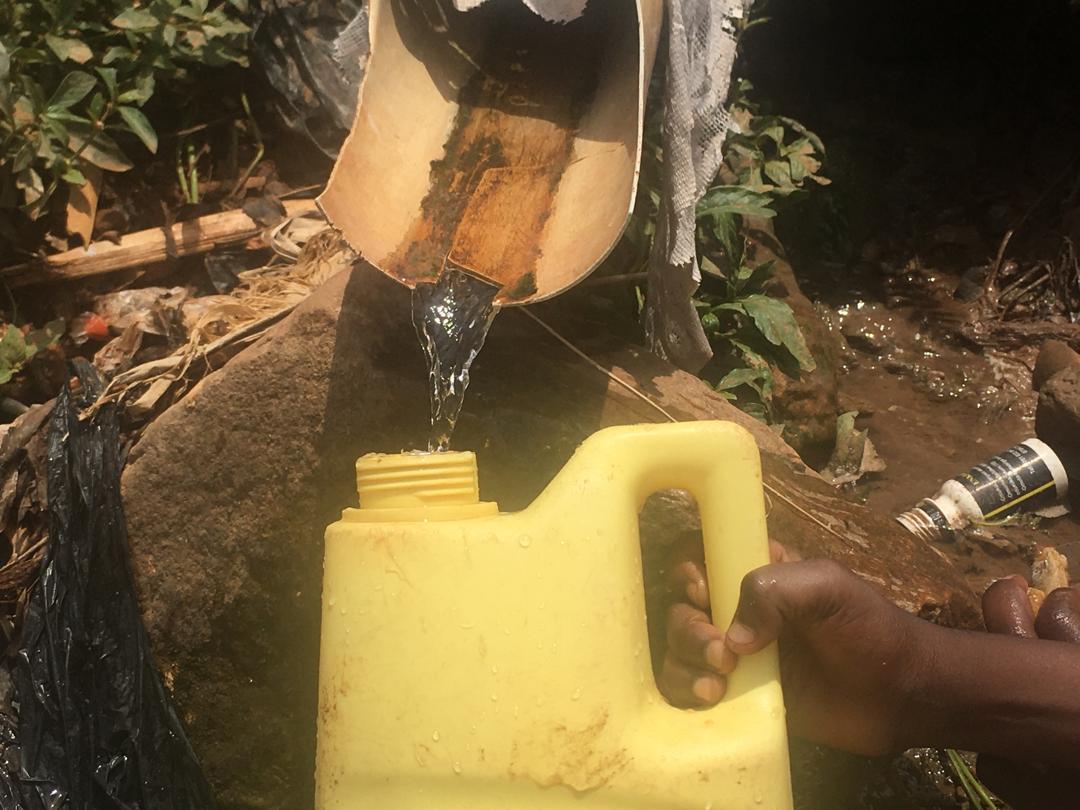
Uganda is blessed with abundant freshwater sources, including lakes, rivers, and wetlands. However, millions of people, particularly in rural areas, still lack access to safe drinking water. According to reports, about 38% of Ugandans rely on unsafe water sources such as open wells, swamps, and rivers, exposing them to waterborne diseases like cholera and typhoid.
Challenges Contributing to Water Scarcity
Several factors contribute to the ongoing water crisis in Uganda:
- Climate Change: Unpredictable rainfall patterns and prolonged droughts have led to water shortages in many regions, affecting both households and agricultural productivity.
- Pollution: Industrial waste, agricultural runoff, and poor sanitation practices are contaminating water sources, making it unsafe for consumption.
- Deforestation: The destruction of forests and wetlands, which act as natural water reservoirs, is worsening water shortages and reducing groundwater recharge.
- Infrastructure Gaps: Many rural and semi-urban communities lack proper water infrastructure, such as boreholes and piped water systems, forcing people to travel long distances to fetch water.
Ongoing Efforts to Secure Clean Water
Despite these challenges, there are commendable initiatives working towards improving water access in Uganda:
- Government Programs: The Ministry of Water and Environment has been implementing projects to expand clean water access, especially in rural areas.
- NGO and Community Efforts: Organizations are digging boreholes, installing rainwater harvesting systems, and promoting hygiene education to reduce waterborne diseases.
- Technology and Innovation: Solar-powered water pumps and filtration systems are being introduced to improve water distribution and purification in off-grid areas.
The Role of Individuals and Communities
Securing clean water for all is a shared responsibility. Communities can contribute by:
- Conserving water through responsible usage practices
- Protecting water sources from pollution and encroachment
- Supporting reforestation and wetland conservation efforts
- Advocating for better policies and increased investment in water infrastructure
