
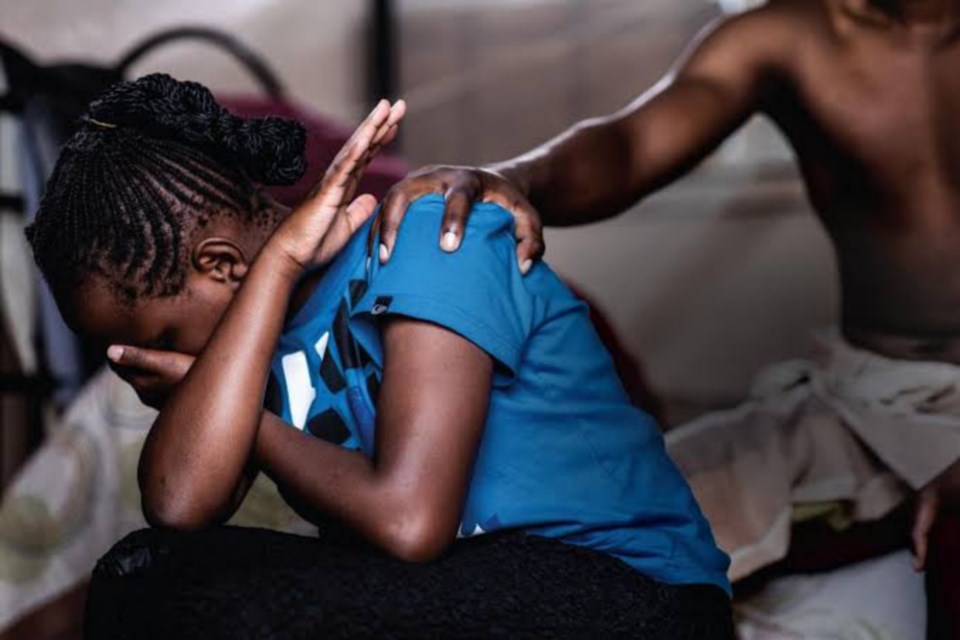
Addressing Sexual Assault among Ugandan Teens: Causing factors.
In a world where challenges persist and beauty often fades under the weight of adversity, we must rise to the occasion to reclaim that beauty. Among the pressing issues demanding our attention, sexual assault stands out as a dark cloud looming over the lives of teenagers in Uganda. Yet, amidst the shadows, there is hope – for there is beauty even in the midst of ashes.
The Silent Crisis: Sexual Assault among Ugandan Teens:
Sexual assault among teenagers is a grave concern, not just in Uganda but across the globe. This article is a result of meticulous research, gathering insights from diverse sources and regions within Uganda. The urgency to discuss this issue is fueled by the need to shed light on the extent of the problem and to pave the way for change.
Factors Underpinning Teenage Sexual Assault:
Several factors converge to contribute to the alarming prevalence of sexual assault among teenagers in Uganda:
1. Poverty and Socioeconomic Factors:
Economic hardships can drive vulnerable teenagers, particularly girls, into precarious situations. The desperate pursuit of financial support or basic needs can lead them down paths of exploitation.
2. Lack of Comprehensive Sex Education:
An absence of proper sex education leaves teenagers ill-equipped to understand their rights, sexual health, and safe practices. This information gap can breed misunderstandings about consent and risky behaviors.
3. Cultural Norms and Beliefs:
Certain cultural norms perpetuate harmful attitudes toward sex and consent. Traditional notions of gender can lead to victim-blaming and shaming survivors, adding to the complexity of the issue.
4. Limited Awareness and Reporting:
A lack of awareness about sexual assault and available support services silences teenagers who should be seeking help. The fear of retaliation or disbelief can further discourage reporting.
5. Peer Influence and Social Pressure:
Teenagers often succumb to peer pressure and the desire to fit in, leading to compromising situations and unwanted sexual activities.
6. Substance Abuse:
Alcohol and substance abuse impair judgment, leaving both perpetrators and victims vulnerable to sexual assault.
7. Legal Gaps:
Weak enforcement of laws related to sexual assault creates an environment where perpetrators feel immune to consequences.
8. Conflict and Instability:
In regions affected by conflict, social systems disintegrate, leaving teenagers without protection, making them more susceptible to sexual violence.
9. Lack of Safe Spaces:
The absence of safe spaces for teenagers to seek guidance and express themselves fosters an environment where exploitation can thrive.
10. Digital Communication and Technology:
The digital age has brought new forms of sexual exploitation, including online harassment and cyber bullying, further exposing teenagers to harm.
